Original | Odaily Planet Daily (@OdailyChina)
Author | Asher (@Asher_0210)
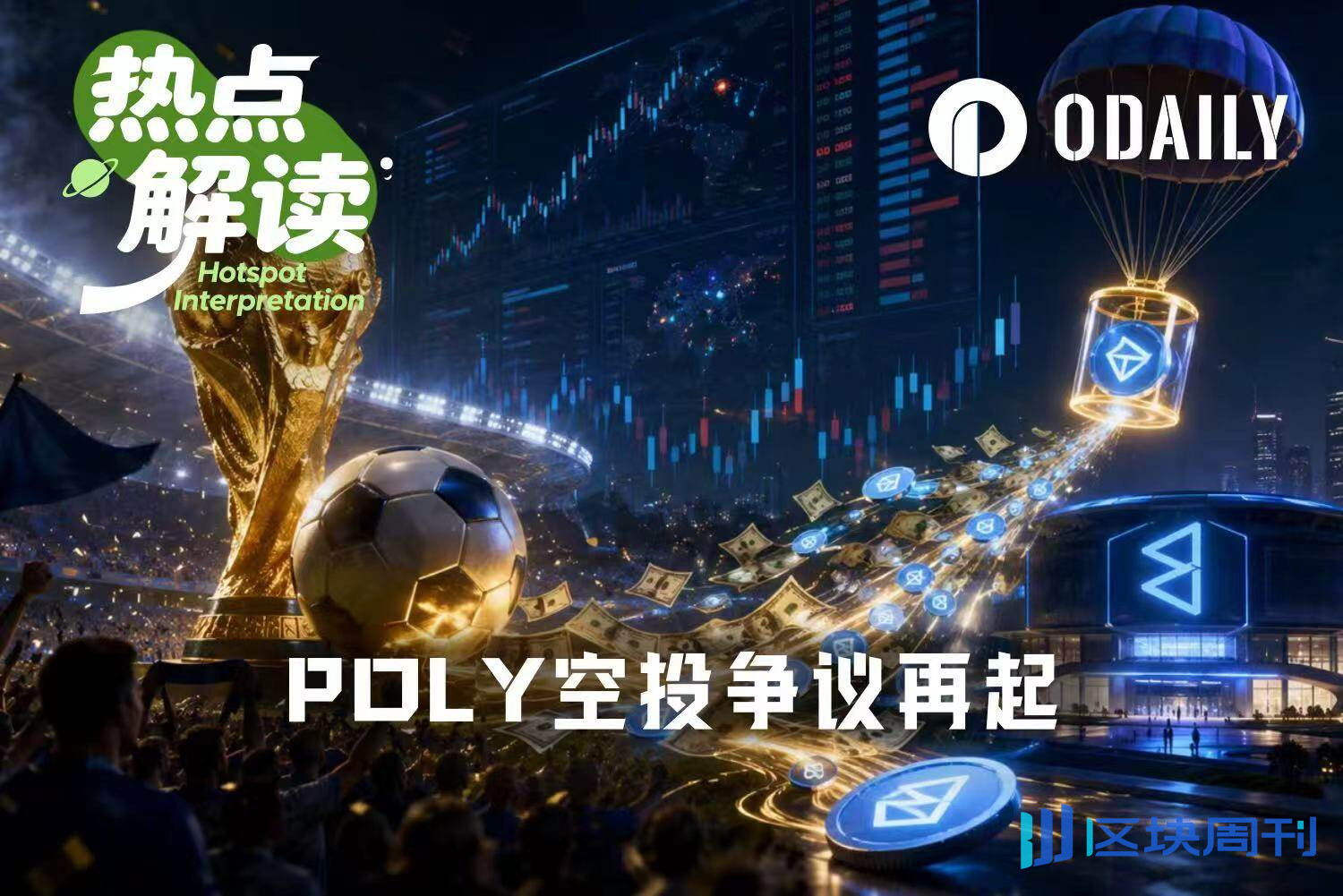
Yesterday, the "World Cup Champion" prediction event finally settled with a trading volume of $4.32 billion, surpassing the $3.686 billion of the "2024 US Presidential Election Winner" to become the highest single prediction event in Polymarket's history.
Moreover, during the six weeks of the World Cup, Polymarket's football sector accumulated a nominal trading volume of $8.5 billion, four times the total trading volume of all other sports combined in the same period.
The 2024 US election brought Polymarket into the mainstream, and the 2026 World Cup pushed it into the higher-frequency sports market. With $8.5 billion in six weeks and $4.32 billion in a single market, Polymarket not only set records but also found a traffic machine that runs faster than elections.
Taking advantage of World Cup traffic, Polymarket "quietly" raised fees in the sports sector
On July 10, near the end of the World Cup, Polymarket increased trading fees in the sports market.
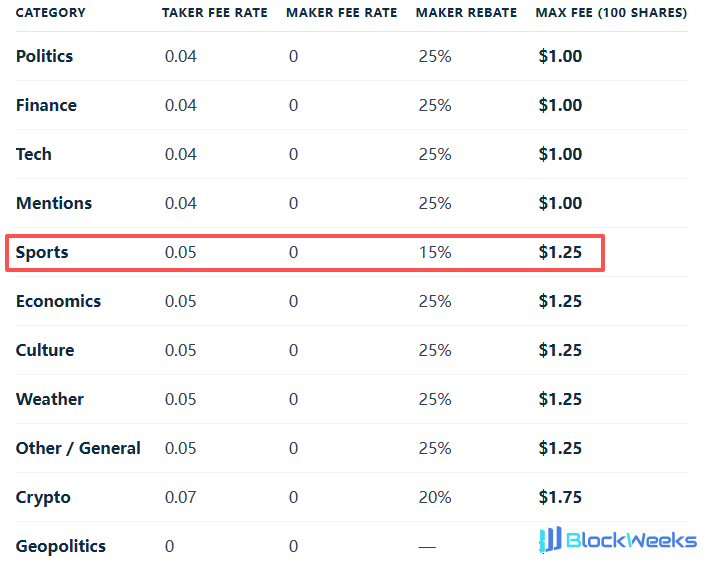
This adjustment was not announced separately to ordinary users but appeared in the platform developer's Changelog. The Taker fee coefficient for the sports sector was raised from 0.03 to 0.05; the Maker rebate ratio was reduced from 25% to 15%.
The fee increase from 0.03 to 0.05 may seem small, but the actual transaction cost rose by nearly 70%. For example, when buying 100 shares of a sports event, with a share price of $0.50, the fee reaches its maximum. Before the adjustment, users paid at most $0.75; after the adjustment, the maximum fee rose to $1.25. As the share price approaches $0.01 or $0.99, the fee decreases symmetrically toward both ends, as shown in the table below.
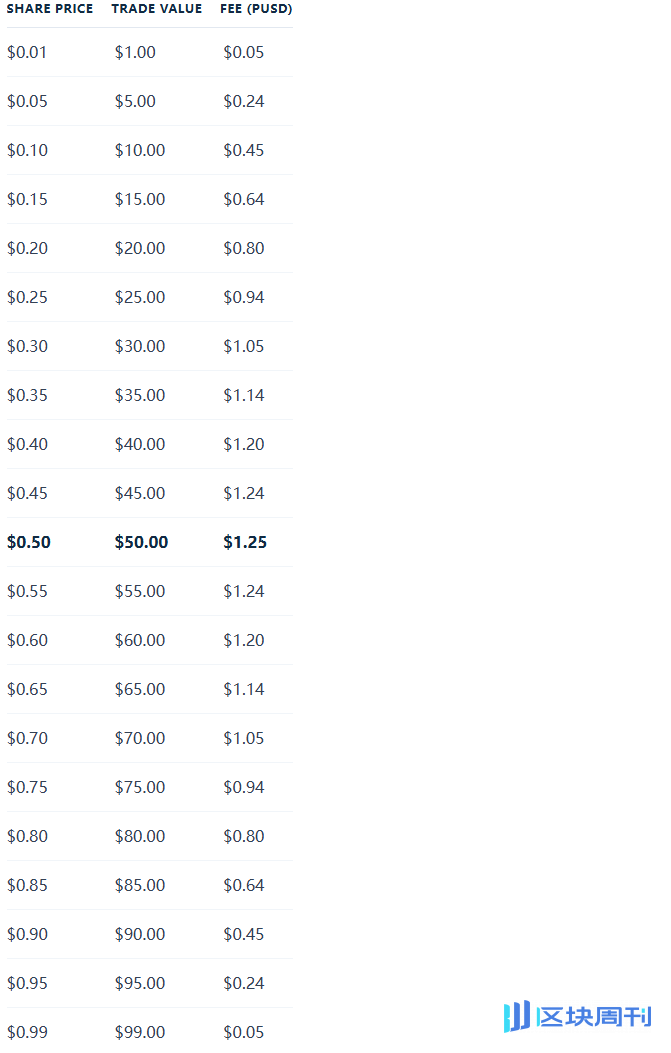
The sports sector thus bid farewell to Polymarket's lowest fee tier. Previously, it was in the same low-cost category as politics, finance, and technology; after the adjustment, the maximum fee per 100 shares rose to $1.25, putting it in the same tier as economy, culture, and weather, and just below the cryptocurrency market's $1.75.
Looking back over the past six months, Polymarket's fee scope has been quietly expanding.
In January 2026, Polymarket first introduced Taker fees in the 15-minute cryptocurrency market; in February, the fee scope expanded to some college basketball and Serie A markets; in March, all newly listed crypto markets began charging fees; after the launch of Fee Structure V2 at the end of March, categories such as politics, finance, economy, culture, weather, and technology were gradually included.
For the platform, once user habits are formed, raising fees did not lead to widespread user churn, but allowed the same trading volume to contribute more revenue.
POLY airdrop controversy reignites: how much longer will users have to wait?
Recently, the community discovered that Polymarket's official associated account, Polymarket Traders, deleted a tweet posted on May 13. The original tweet was interpreted by the community as a hint about the POLY airdrop. After the deletion, many users began re-examining the account's historical content, and discussions about whether the airdrop had changed heated up again.
The market is so sensitive because Polymarket's token issuance is no longer baseless speculation. In October 2025, Polymarket's Chief Marketing Officer Matthew Modabber explicitly stated in a podcast: "There will be a token, and there will be an airdrop." He also mentioned that Polymarket's top priority at the time was to return to the US market, and the token plan would proceed after the US business was established, praising Hyperliquid's token issuance method.
This statement once led the community to believe that POLY was only a matter of time. Since then, trading volume, market-making scale, and active days have been considered by many users as potential airdrop weights. Even though the platform has never announced snapshot times or distribution rules, users are still willing to continue trading, waiting for the token issuance plan to materialize.
The problem is that the US business has progressed, and the hottest World Cup has ended, but POLY has still not announced a timeline. Attentive users found that in the Polymarket website's help center, a recent addition states that the platform "has not announced any plans for an airdrop or token generation event" and reminds users to be wary of scams conducted under the guise of airdrops. This does not mean POLY has been canceled, but for users who have been waiting for a long time, the question is no longer whether Polymarket will issue a token, but how much longer this "future" will be delayed.
Currently, the community has two main views on the reason for the delay. One view is that Polymarket is waiting for a more suitable compliance window. The platform is still expanding its US business, and token issuance and airdrops may bring additional regulatory issues. Before the formal plan is determined, deleting overly direct hints from associated accounts may simply be to tighten external messaging.
Another view is that Polymarket no longer needs to rush to issue a token, and may become the next OpenSea. In the past, the platform relied on airdrop expectations to attract users, increase trading volume, and supplement liquidity; now, Polymarket already has a large user base and real revenue, and fees are continuously increasing. As the platform's dependence on tokens decreases, the priority of POLY may naturally be pushed further back.
In the past, the community discussed how POLY would be airdropped and whether trading volume would be weighted; now, the discussion has turned to how much longer they need to wait, and what the next hopeful time point will be. Polymarket, which has launched countless prediction events, has never been able to set a settlement date for its own airdrop.
Disclaimer: The information provided in this article is not trading advice. BlockWeeks.com is not responsible for any investments made based on the information provided in this article. We strongly recommend conducting independent research or consulting qualified professionals before making any investment decisions.