Artificial intelligence infrastructure on the XRP Ledger (XRPL) blockchain has entered the stage of real commercial traffic. RippleX Head of Engineering Ayo Akinyele explained in detail which specific tasks autonomous algorithms perform on the network and exactly what they spend their coins on.
The market structure came under closer examination after data from the official on-chain dashboard of the t54.ai platform recorded 1,433,836 transactions carried out exclusively by bots.
The main point is that AI agents have started using the blockchain as a full-fledged settlement layer for purchasing technical services from one another. Programs no longer need a person with a bank card to pay for a subscription or access to servers. They do it themselves through the x402 micropayment protocol using XRP tokens and RLUSD stablecoins.
What AI Agents Are Buying via XRP Ledger
Thanks to transaction confirmation speeds of 3–5 seconds and fixed, negligible fees that allow algorithms to plan their budgets easily, XRPL has proven suitable for machines. Bots are spending XRP right now on:
- API payments for trading data. Financial AI bots generate most of the network's traffic, automatically purchasing market analytics and fresh price quotes to manage capital more efficiently.
- Information services and parsing. Bots constantly pay for access to external knowledge bases, such as the ClawBank fintech protocol for finding people on LinkedIn or the AskSurf utility for deep web-page parsing.
- Social media APIs. Algorithms independently finance their requests to social networks, extracting massive text datasets for mention monitoring and model training.
- Inference requests, or renting "someone else's brain." AI agents instantly purchase additional computing power from other neural networks through the Heurist Inference Router, at prices starting from 0.003 RLUSD per micro-request, and this category is growing faster than any other.
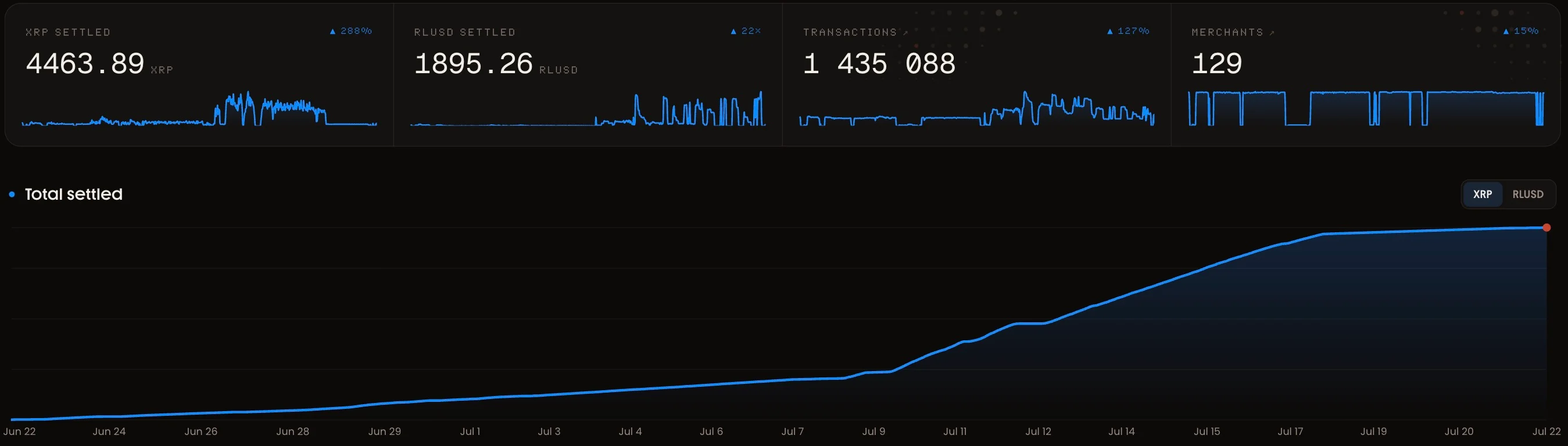
Akinyele compares what is happening to the early days of cloud software, when common standards were only beginning to take shape and the amounts held in machine wallets were still small. Nevertheless, the infrastructure is already preparing to enter the real economy through around one hundred connected online stores.
According to t54.ai CEO Chandler Fang, AI agents will soon be able to search for discounts and order real products for their owners, such as smartphone accessories. Wallet security will be handled by the Trustline protection engine, which blocks payments at the slightest sign of anomalous activity.
In this context, a self-sustaining market is forming around XRP, where software generates demand itself, pays for it itself, and then fulfills the orders itself.